
Bruxism / bruxomania
 +41 22 547 44 44
 Make an appointment
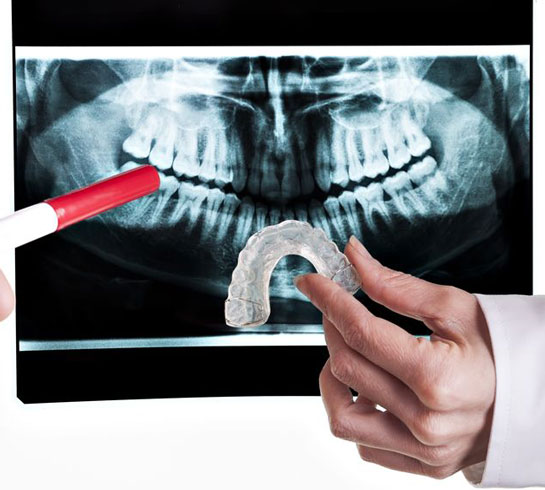
Bruxism and bruxomania are the terms used to describe unconscious and repetitive grinding or clenching of the teeth (not counting natural contact when you chew or swallow).
If it occurs during the day, it’s called bruxism, whereas at night it’s called bruxomania.
Several problems are associated with tooth grinding:
- Premature wearing down of teeth
- Receding gums
- Broken fillings, crowns and dentures
- Headaches
- Enlargement of jaw muscles
- Jaw and TMJ pain upon waking
Several factors can contribute to bruxism and bruxomania, including anxiety, stress, sleep disorders and neurological disorders.
Some patients may need to be assessed by a sleep specialist.
Your dentist may recommend a bite plate to prevent damage to your teeth. Acrylic bite plates are custom-made based on an optical impression of your teeth. They cover the chewing surface of your teeth to prevent premature wear. You can wear them during the day or at night.
Some patients who grind their teeth also benefit from relaxation exercises, physical therapy or, in more severe cases, botox injections in the masseter muscles. If your teeth are very worn down, rest assured that we can fully rehabilitate your smile with onlays and veneers.
Do you grind your teeth? Contact us today.
FAQ
What is bruxism?
Bruxism refers to repetitive, unconscious grinding or clenching of the teeth outside chewing or swallowing. Clinique Dentaire de Chantepoulet distinguishes between bruxomania (occurring during the day) and bruxism (at night). Both forms can coexist and affect adults and children alike, with progressive consequences on the teeth and the temporomandibular joint.
What causes bruxism?
The main causes noted by the clinic are chronic anxiety and stress, sleep disorders (apnoea, micro-arousals), and some neurological disorders. Certain cases warrant a sleep-medicine assessment to characterise nocturnal episodes and rule out sleep apnoea syndrome. Heredity and some medications can also contribute to bruxism.
What are the consequences of bruxism on teeth and jaw?
Bruxism causes premature tooth wear, gum recession, damage to existing restorations (fillings, crowns, veneers), morning headaches, enlarged chewing muscles, and pain in the jaw and temporomandibular joint. Untreated, it can lead to tooth fractures and require full prosthetic rehabilitation.
How is bruxism treated at Clinique Dentaire de Chantepoulet?
Treatment combines several tracks: a custom-made acrylic occlusal splint, manufactured from an optical impression to protect the chewing surfaces during sleep; relaxation exercises and physiotherapy to relax the chewing muscles; botulinum toxin injections in severe cases; and restorative treatment with onlays or veneers when wear is already established.
How much does a bruxism splint cost at Clinique Dentaire de Chantepoulet?
The clinic lists a bruxism splint at 850 CHF on its rates page. The fee covers the optical impression, custom manufacture and initial adjustments. Insurance cover depends on the contract: LAMal does not cover bruxism itself, but some dental supplements may partially reimburse the splint against a medical diagnosis.